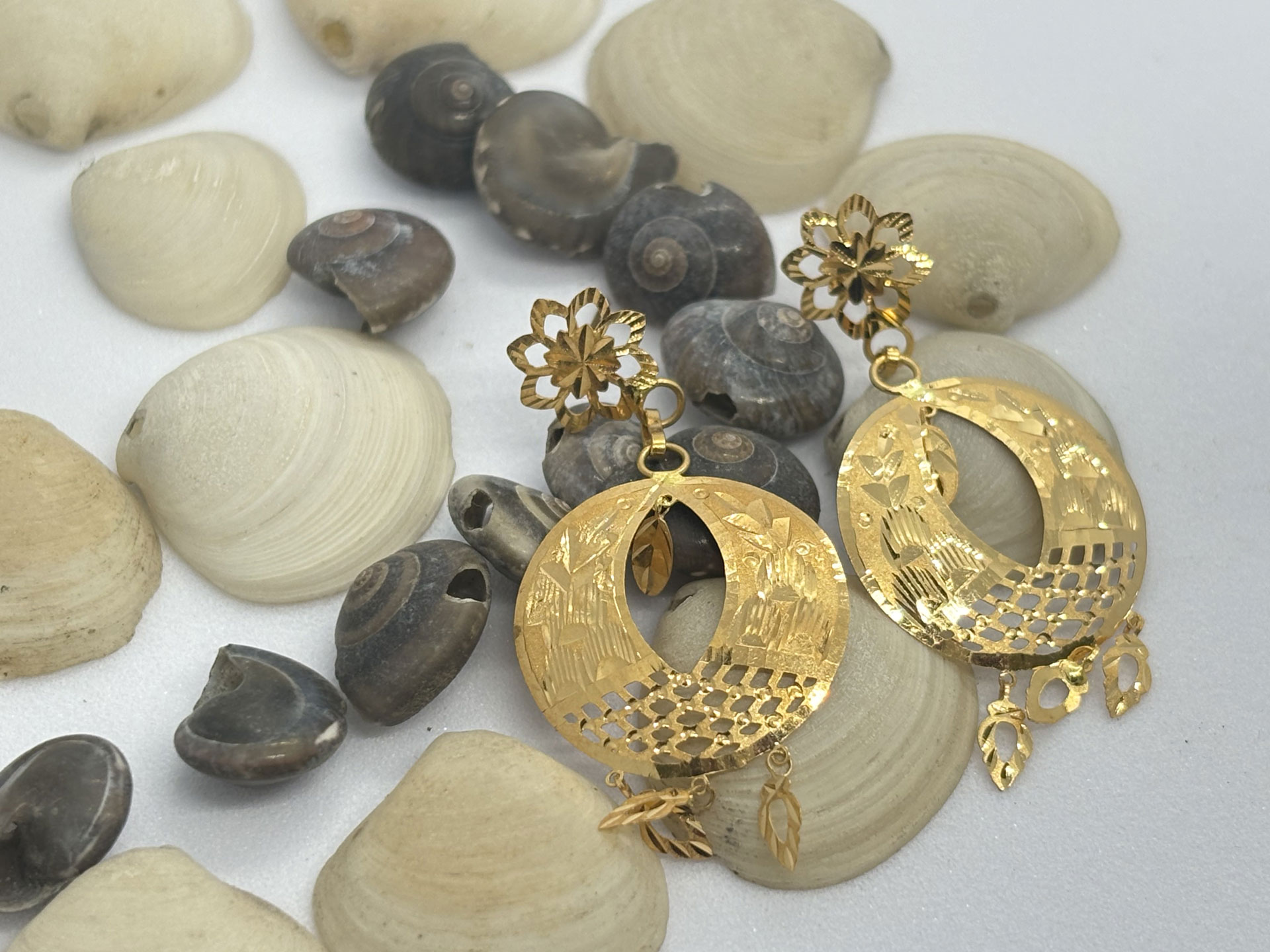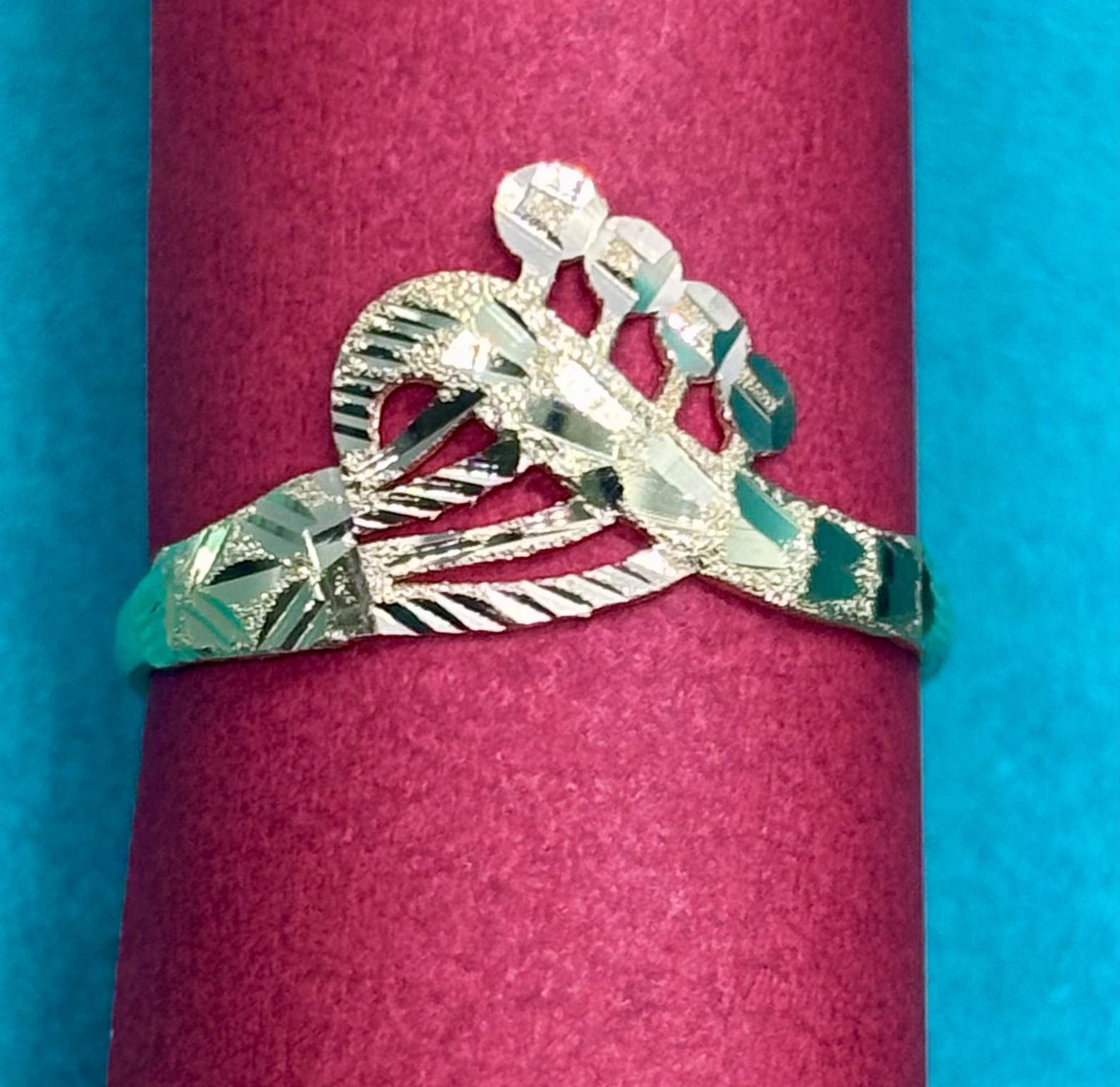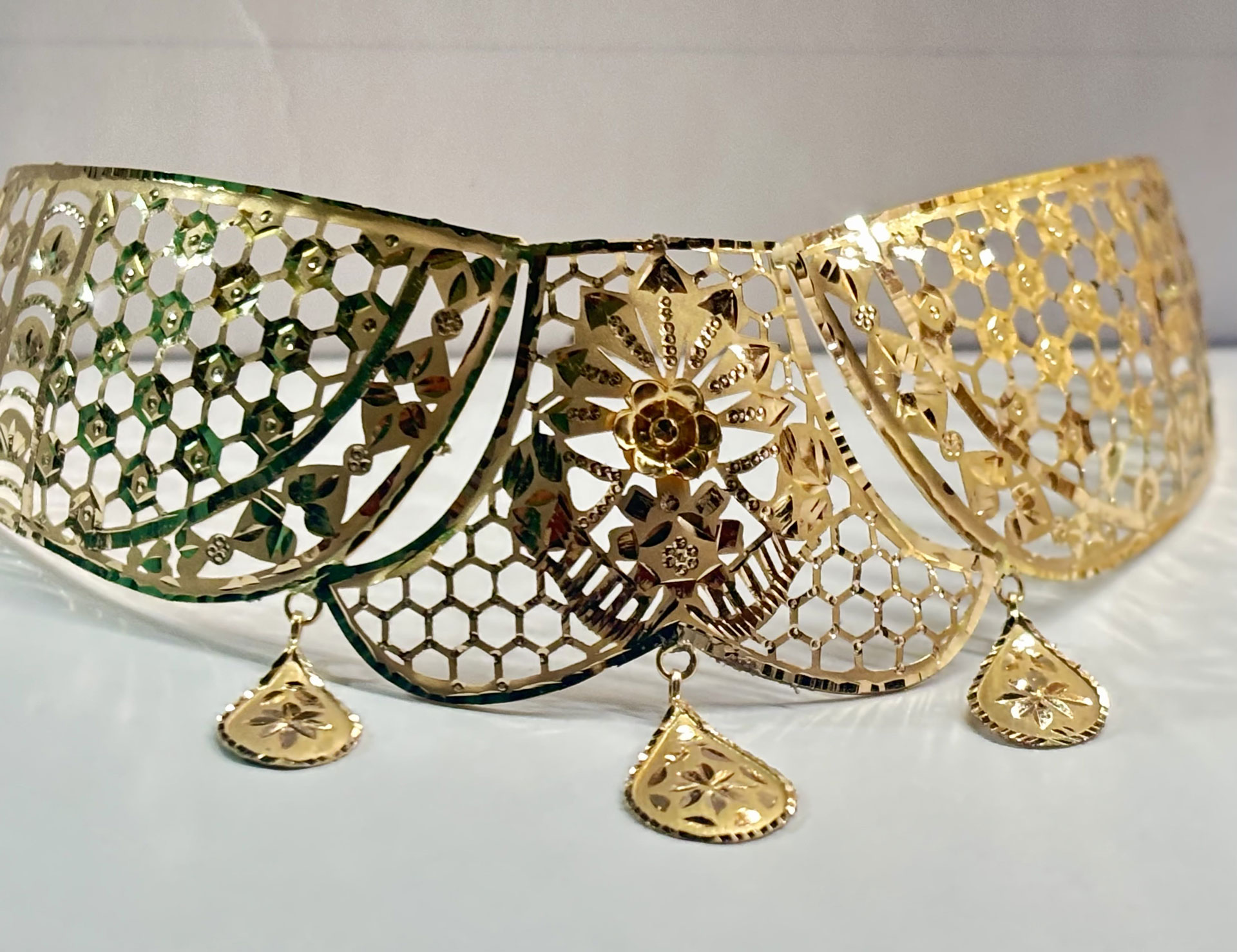


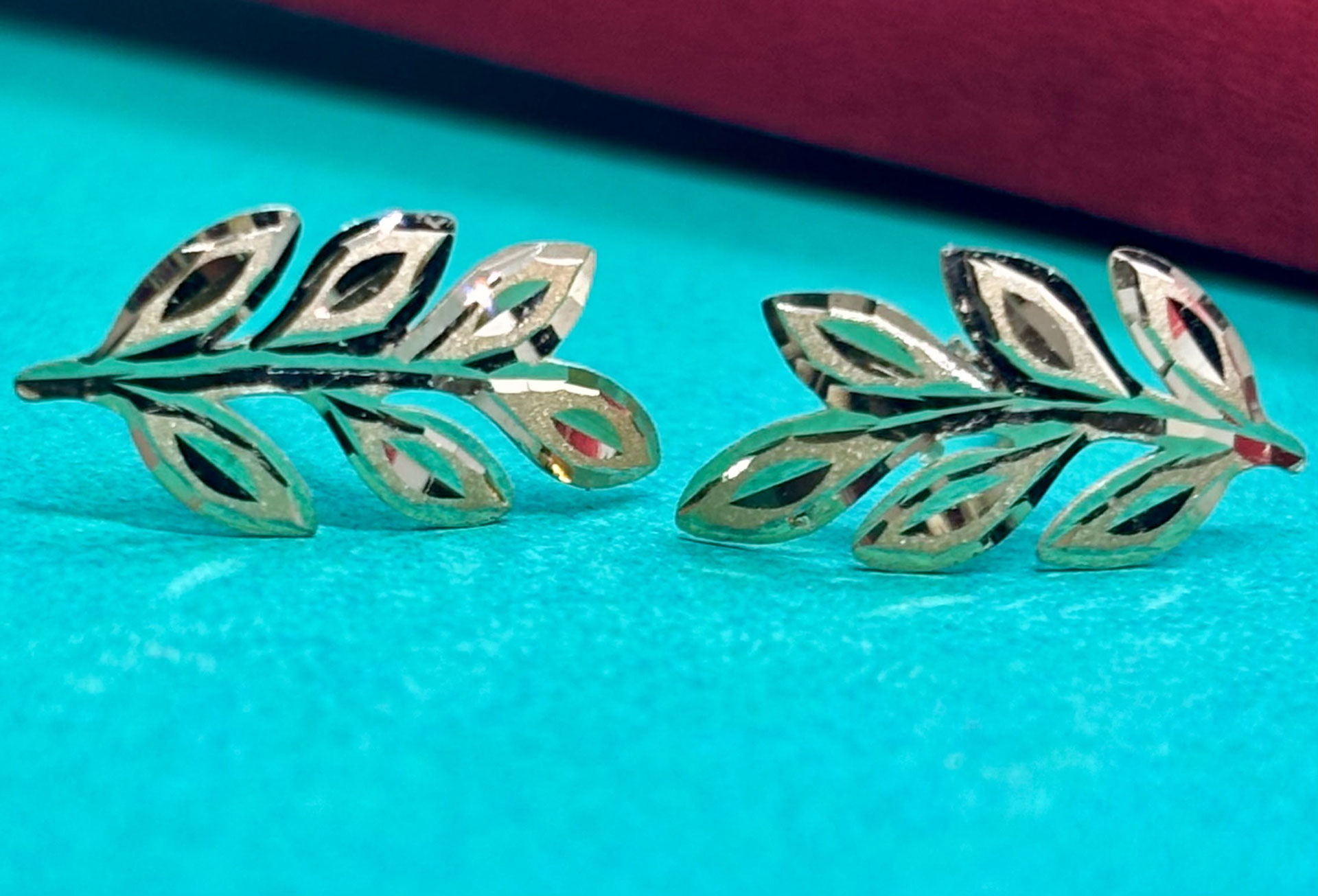
“Antique gold jewellery” typically refers to gold jewellery that is at least 100 years old, or crafted in a style that mimics historic or vintage aesthetics. It is often prized for its craftsmanship, unique designs, and historical value. Here’s a breakdown of what you might want to know:
Victorian (1837–1901)
Romantic, sentimental motifs (hearts, bows, flowers)
Use of rose gold, seed pearls, garnets, and enamel
Mourning jewellery with jet or onyx
Edwardian (1901–1910)
Light, lacy designs
Use of platinum with gold
Common motifs: garlands, bows, filigree work
Art Nouveau (1890–1910)
Flowing lines, natural forms (plants, insects, women)
Enameling and semi-precious stones
Art Deco (1920s–1930s)
Geometric shapes, symmetry
Contrasting materials (diamonds, onyx, emeralds)
White gold and platinum often used
Traditional Indian Antique Jewellery
Temple jewellery, Kundan, Meenakari, Jadau
Heavy gold work, often with uncut diamonds or colored stones
Regional styles like South Indian antique temple jewellery or Rajasthani polki
Hallmarks: Check for stamps indicating gold purity (e.g., 22K) or maker’s marks.
Wear & Patina: Authentic antique pieces often have a natural, aged look.
Craftsmanship: Handcrafted details, intricate work, and traditional techniques.
Store in a soft, dry place, away from sunlight.
Avoid harsh chemicals and modern cleaning methods.
Get professional cleaning or restoration if needed.
Buy from reputable dealers or antique stores.
Request certification or provenance, if available.
Understand market value and current gold rates.